

 See My Latest Article on HelloNation
Moving day is easier when the major decisions are made before boxes are loaded. A practical checklist helps households organize utilities, belongings, paperwork, transportation, building access, and weather-related concerns without leaving important tasks until the final hours.
What should be done four to six weeks before moving?
Start with planning, sorting, and scheduling. The earlier these tasks are handled, the fewer last-minute problems are likely to arise.
Create a moving file, either digitally or on paper, for leases, closing documents, inventory notes, receipts, utility information, and building instructions. Keep essential records separate from items that will be packed.
Then make a room-by-room inventory. The purpose is not to record every spoon, but to identify larger furniture, fragile items, valuables, appliances, and belongings that may need special handling. This is also a useful time to decide what will not be moved.
Set aside items for:
- Donation or reuse
- Recycling
- Disposal
- Sale or gifting
- A separate essentials bag
Reducing the volume of belongings can make packing, loading, and unpacking more manageable. Avoid packing items that are damaged, expired, duplicated, or unlikely to be used in the new home.
If the move involves an apartment, condominium, senior housing community, or managed building, review the move-in and move-out rules. Some properties require advance notice, elevator reservations, loading instructions, proof of insurance, or specific moving hours. These details should be confirmed in writing.
Which household services need to be updated?
Utilities and household accounts should be arranged several days before moving day, not afterward. Confirm the shutoff date at the current home and the start date at the new one for electricity, gas, water, internet, security systems, and other essential services.
Ask whether a final meter reading is required. Record the condition of the home and take photographs of meters, walls, floors, appliances, and any existing damage. These records can be useful for rental security-deposit questions or closing documentation.
Update the address for:
- Mail and package delivery
- Banks and credit accounts
- Insurance policies
- Employers and schools
- Medical and prescription records
- Subscriptions and memberships
- Vehicle registration and licensing records
- Tax and government correspondence
Do not rely entirely on mail forwarding. Forwarding is temporary and may not update every organization that has an address on file.
How should packing be organized?
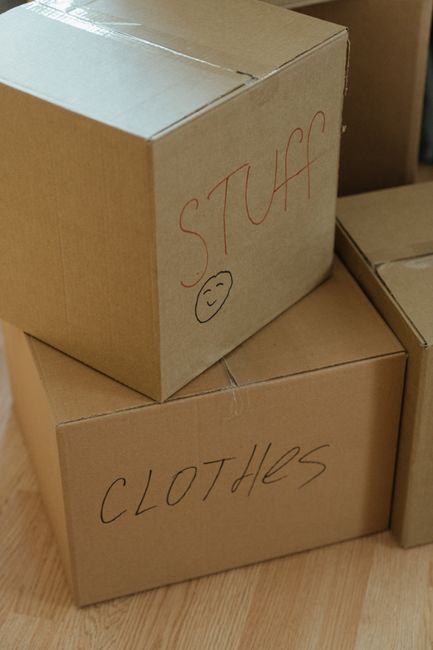
Pack by room and label every box on at least two sides. A useful label includes the destination room, a short description of the contents, and whether the box is fragile or should be opened early.
Color coding can make sorting easier, but written labels are still necessary if boxes are moved through hallways, elevators, garages, or multiple floors.
Use smaller boxes for books, tools, canned goods, and other dense objects. Overfilled boxes are difficult to lift and may split. Larger boxes work better for lightweight items such as linens, pillows, and clothing.
Protect fragile belongings with cushioning on all sides. Plates generally travel more safely when placed on their edges rather than stacked flat. Do not use towels, clothing, or blankets as packing material unless they are clean and clearly separated from items that could cause stains or damage.
Keep a separate box or container for items needed immediately, including:
- Toilet paper and hand soap
- Towels and basic toiletries
- Medications
- Phone chargers
- Paper towels and cleaning supplies
- Basic tools
- Change of clothes
- Pet supplies
- Simple food and drinks
- Important documents
This container should travel with the household rather than being buried among other boxes.
What should not be packed with ordinary household belongings?
Certain materials require extra care or may not be suitable for ordinary transportation. Review the instructions on any item that contains fuel, pressurized contents, corrosive chemicals, or flammable substances.
Examples may include gasoline, propane cylinders, some paints, solvents, strong cleaners, fireworks, and certain lawn or workshop chemicals. Dispose of these materials through appropriate local waste procedures rather than placing them in a regular moving box.
Perishable food should be used, donated where appropriate, or packed in a properly managed cooler for a short trip. Frozen food can thaw quickly if the move is delayed, especially when access to electricity is uncertain.
Keep jewelry, cash, medications, passports, birth certificates, legal records, and small electronics under personal control. These items should not be placed in an unmarked box.
How can Rochester, NY residents prepare for weather?
Weather can affect moving plans throughout the year. Winter conditions may create snow, ice, slush, frozen steps, and reduced visibility. Warmer months can bring heat, humidity, thunderstorms, and wet pavement.
Check the forecast a few days before the move and again the evening before. Prepare floor protection, absorbent towels, waterproof containers, and extra lighting if precipitation is possible. Clear snow and ice from walkways where permitted, and keep entrances as dry as practical.
Cold temperatures can affect some belongings. Electronics should be allowed to reach room temperature before being powered on if they have been transported through freezing conditions. Plants, liquids, and delicate materials may also need special protection.
During warm weather, keep water available and avoid leaving medications, candles, aerosols, or heat-sensitive items in a parked vehicle. A weather plan should include extra time for slippery surfaces, traffic changes, and slower loading.
What should be checked at the old and new homes?
Before leaving the current home, inspect every room, closet, cabinet, attic, basement, garage, balcony, and outdoor storage area. Check behind doors and beneath sinks. Small items are often left in places that are not part of the normal visual sweep.
Clean the home according to the lease, sale agreement, or household expectations. Remove trash and confirm that appliances, lights, windows, and doors are left in the required condition.
At the new home, inspect the property before boxes are placed against walls or furniture blocks floors. Photograph existing damage and verify that essential utilities are working. Check smoke and carbon monoxide alarms, locks, plumbing fixtures, heating or cooling controls, and visible signs of leaks.
If the residence has stairs, narrow hallways, low ceilings, or older flooring, identify difficult turns before moving large furniture. Measure doorways and compare them with the dimensions of sofas, refrigerators, wardrobes, and other oversized items.
What should happen the day before moving?
The day before should be reserved for finishing, not beginning, the main packing work. Complete laundry, charge phones and battery packs, prepare meals that do not require much cooking, and set aside clothing for the next day.
Disassemble only furniture that is safe to take apart and place hardware in labeled bags taped to the item. Photograph complicated connections before disconnecting electronics or appliances.
Keep walkways clear. Group boxes near their labeled rooms without blocking exits, stairways, heating equipment, or electrical panels. Make sure pets and young children have a safe, quiet area away from open doors and moving activity.
Confirm keys, access codes, parking instructions, elevator arrangements, and the expected arrival window. If weather or building restrictions could affect timing, identify an alternative plan before moving day begins.
What is the best moving-day checklist?
On moving day, begin with safety and access. Keep pathways free of loose tape, plastic, cords, and empty boxes. Wear closed-toe shoes with good traction, use proper lifting technique, and avoid carrying loads that block your view.
Before the last items leave the old home, complete a final walk-through and compare the condition with earlier photographs. At the new home, direct boxes to their labeled rooms instead of creating one large pile in a hallway or entryway.
Keep important documents, medications, keys, phones, chargers, and the essentials container accessible throughout the day. Once the last box is inside, check that doors and windows are secure, utilities remain on, and major appliances are positioned safely before unpacking begins.